
Oahu Mosquito Season 2026: How to Protect Your Ohana This Summer
5 dengue cases hit Hawaii in 2026 — here's the local guide to mosquito-proofing your Oahu home, including the breeding spots most homeowners miss.
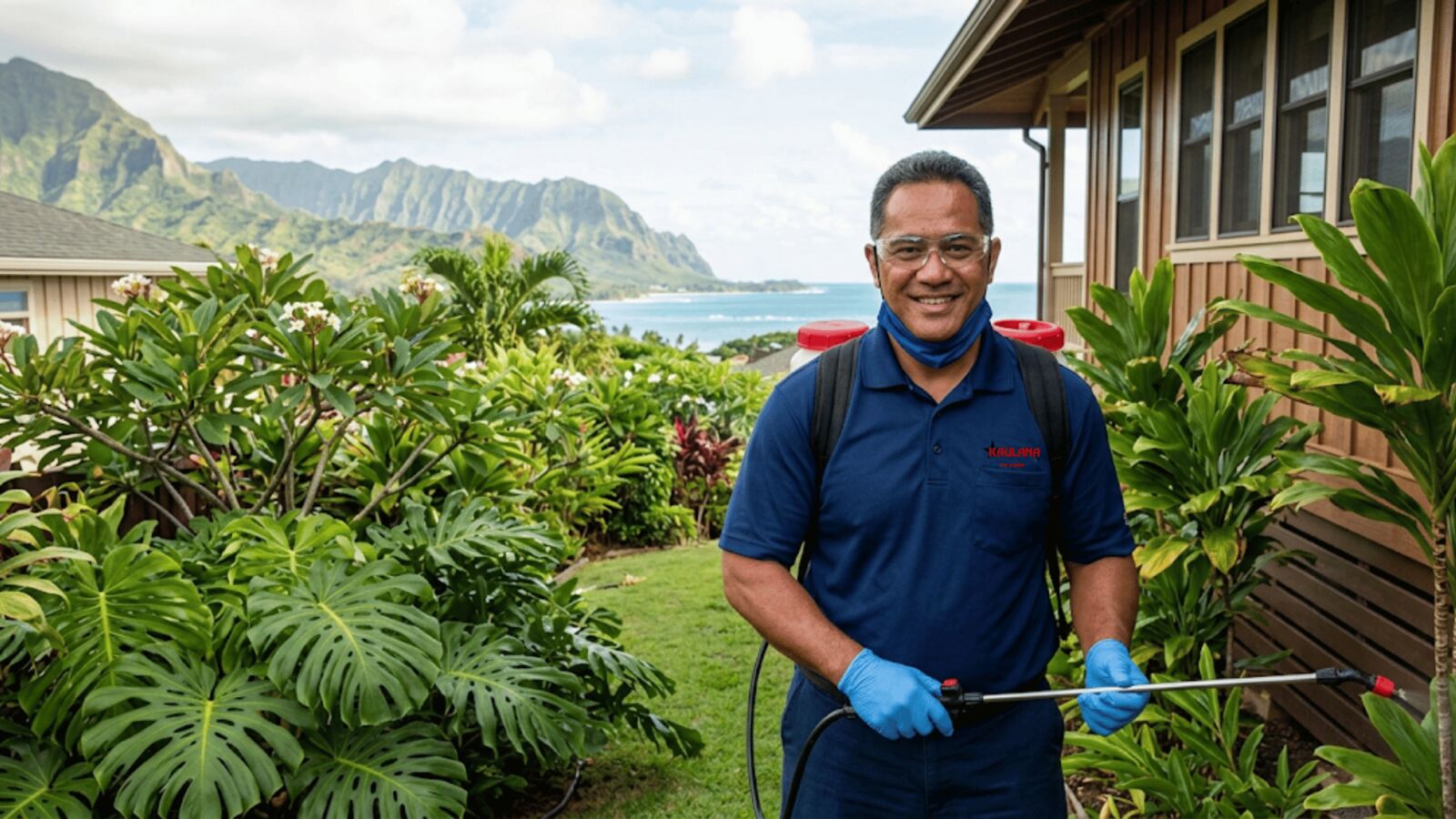
Mosquito season is in full swing on Oahu, and 2026 has given island families an extra reason to take it seriously. With dengue cases reported in Hawaii this year, mosquito control is no longer just about comfort on the lanai — it’s about protecting your ohana’s health.
The good news: most of the mosquitoes biting you at home were born at home. Get the breeding sites under control and you cut the problem off at the source.
Why Oahu mosquitoes are worse than the mainland
Our warm temperatures and frequent trade-wind showers mean standing water is everywhere, and mosquitoes can complete their life cycle in as little as a week. The two species that matter most here are:
- The Asian tiger mosquito — an aggressive daytime biter and a key dengue vector. It breeds in tiny containers of water, not ponds.
- The southern house mosquito — active at dusk and dawn, breeding in stagnant water and storm drains.
Because the tiger mosquito bites during the day and breeds in containers as small as a bottle cap, the usual “just avoid dusk” advice doesn’t cut it on Oahu.
The breeding spots most homeowners miss
When our technicians walk a property, these are the culprits we find again and again:
- Plant saucers and bromeliads — the cups of bromeliads and the trays under potted plants hold water for days.
- Clogged rain gutters — a single clogged section can breed thousands of mosquitoes.
- Tarps, buckets, and toys — anything left out collects rainwater.
- Plumeria and tree stumps — natural hollows that pool water.
- Catchment, rain barrels, and pet bowls — standing water you actually want, but that needs management.
Rule of thumb: if it can hold a tablespoon of water for more than a few days, it can breed mosquitoes.
What you can do this week
- Walk your yard after it rains and tip out anything holding water.
- Refresh pet bowls and plant saucers every couple of days.
- Clear your gutters and check that they drain fully.
- Screen rain barrels and catchment so adults can’t lay eggs.
- Flush bromeliads with a hose mid-week to wash out larvae.
When to call a pro
Source reduction handles the mosquitoes you’re breeding — but if your neighbors have standing water, or your yard backs onto dense landscaping or a gulch, adults will keep drifting in. That’s where a professional mosquito program helps.
At Kaulana Pest Control we target the full life cycle: we locate and treat breeding sources, treat the shaded foliage where adult mosquitoes rest during the day, and set up a recurring schedule through the wet season to keep populations down. It’s tough on mosquitoes and gentle on your keiki, pets, and the ʻāina.
If mosquitoes are keeping your family inside, get a free inspection or call us — we’re local, family-owned, and minutes away.
See a pest you can’t handle?
Kaulana Pest Control is local, family-owned, and minutes away. Get a free inspection across Oahu.
More from the blog
Rat Season on Oahu: Why Fall 2026 Is the Time to Rodent-Proof Your Home
Rodent activity climbs every fall on Oahu. Here's where rats get in, the health risk Hawaii DOH warns about, and how to seal your home before wet season.
Read more →Centipedes in Hawaii: How Oahu Homeowners Can Keep Them Out in 2026
Late summer is peak centipede season on Oahu. Learn why Hawaii's giant centipedes come inside, how to keep them out, and what to do if one stings you.
Read more →Little Fire Ants on Oahu: How to Spot and Stop Them in 2026
Little fire ants are spreading on Oahu. Learn how to identify them, run the simple peanut butter test at home, and protect your family and pets this summer.
Read more →